
Engagement Ring Band Styles: How to Choose the Best
Most people spend weeks agonizing over the center stone and almost no time thinking about the band. That is a mistake. The band is what your partner will actually feel on their finger every single day, and it is what makes or breaks how the entire ring looks from every angle. Choosing the right engagement ring band style is not a secondary decision. It shapes comfort, durability, how the ring pairs with a future wedding band, and how much the center stone commands attention. This guide walks you through every meaningful choice, so you can shop with confidence whether you are buying online or booking a consultation at Livia Diamonds.
Table of Contents
- Quick Takeaways
- Why the Band Matters More Than You Think
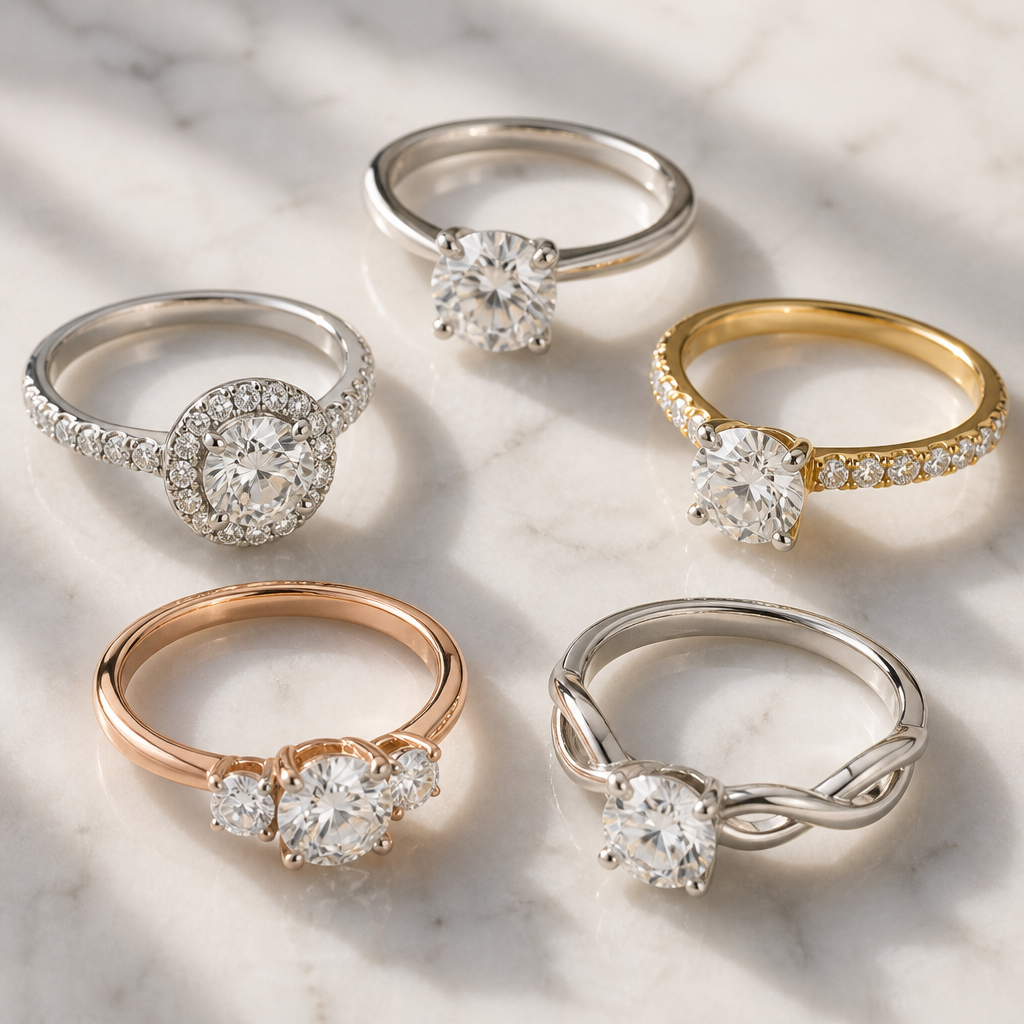
- The Main Engagement Ring Band Styles Explained
- Solitaire vs Halo Ring: Which Is Right for Your Partner
- Pave Band Engagement Ring: Sparkle With a Purpose
- How Band Width and Profile Affect Everyday Wear
- Matching Your Band to a Future Wedding Band
- Metal Choice and How It Changes Everything
- Band Style Comparison Table
- Frequently Asked Questions
- References
Quick Takeaways
Key Insight |
Explanation |
|---|---|
The band drives daily comfort |
Band width, thickness, and profile determine how the ring feels hour after hour. A stunning stone on an uncomfortable band is a regrettable choice. |
Solitaire bands maximize center stone impact |
A clean solitaire band directs all visual attention to the stone. It is ideal if you chose a high-quality moissanite or lab-created diamond with strong brilliance. |
Halo settings create the illusion of a larger stone |
Micro-halo rings make a smaller center stone read as significantly larger on the finger, which matters when you are working within a budget. |
Pave bands add sparkle without changing the stone |
A pave band lines the shank with small stones, multiplying brilliance all the way around the finger, not just at the top. |
Wedding band compatibility is often overlooked |
Some band styles, especially split shank and curved designs, require a custom-fitted or contoured wedding band. Plan this before purchasing. |
Thinner bands make center stones look larger |
A delicate band creates contrast that draws the eye to the stone. Wider bands balance bolder stones but can overpower smaller ones. |
Metal color affects perceived warmth and maintenance |
Rose gold reads romantic and warm. White gold and platinum read modern and cool. Yellow gold is timeless. Each affects how the stone's color appears to the eye. |
Why the Band Matters More Than You Think
The band on an engagement ring is not decorative trim. It holds the setting in place, supports the center stone, and defines the ring's entire silhouette from every angle. Most buyers fix their attention on carat weight and stone shape, but it is the band that a partner interacts with physically every day.
Think about the practical reality: the band is what rests against the skin, what catches on fabric, what gets scratched by countertops, and what a future wedding band will sit beside for decades. Getting the band wrong means constant low-level irritation, even if the stone is perfect.
At Livia Diamonds, every handcrafted engagement ring is built with this in mind. The band choice is treated as a structural decision, not an afterthought. Whether you are browsing the online store or sitting down for an in-person or virtual consultation in Toronto, understanding your band style options first makes every other decision easier.
The Main Engagement Ring Band Styles Explained
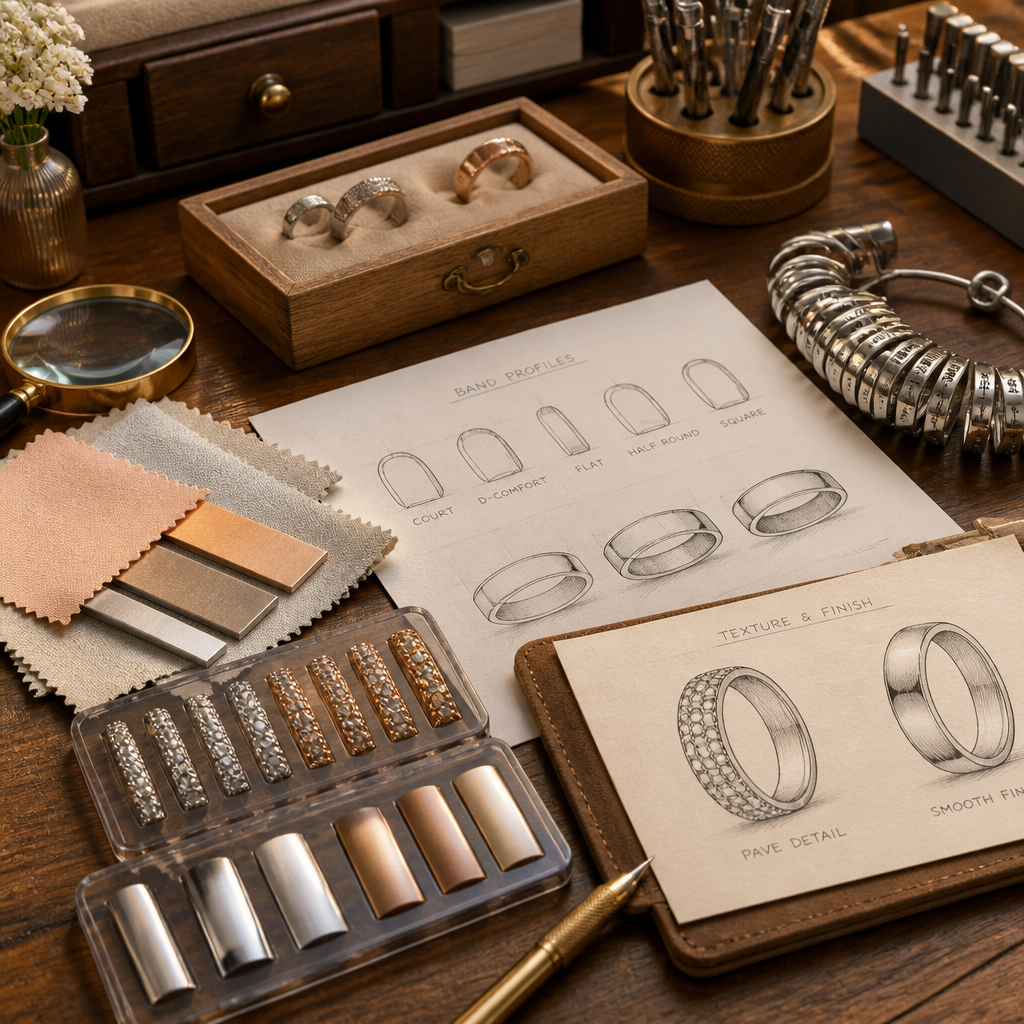
There are more band styles than most buyers realize, and each one creates a genuinely different look and feel on the hand. Here is a clear breakdown of the options that matter most.
Plain or Flat Band
The most minimalist option available. No diamonds, no texture, no embellishment. The metal is the statement. A flat band works beautifully when the center stone is bold enough to carry the ring alone, and it is the easiest style to pair with any wedding band later. It is also the most comfortable for people who work with their hands. If your partner values simplicity and practicality above all else, this is worth serious consideration.
Knife-Edge Band
A knife-edge band tapers to a sharp ridge along the top of the shank. It creates a striking geometric silhouette that looks more distinctive than a plain band without adding any diamonds. The profile catches light in a way a flat band does not, giving the ring visual interest from the side. It pairs exceptionally well with a round or cushion center stone. The one caveat is that the sharp ridge can feel unusual at first for people who have never worn jewelry regularly.
Split Shank Band
A split shank band divides as it approaches the center stone, framing it from both sides. It makes the center stone look larger and more prominent without adding a halo. The tradeoff is that it requires a contoured or custom-fitted wedding band to sit flush beside it. If your partner already has a specific wedding band in mind, confirm compatibility before choosing a split shank style.
Double Band
Two parallel shanks run the full circumference of the finger. It is an architectural look that suits people who want something genuinely different. The double band tends to work best with a bezel or east-west set stone rather than a traditional prong solitaire, since the geometric structure of the band calls for a similarly bold setting approach.
Solitaire vs Halo Ring: Which Is Right for Your Partner
This is the debate that comes up in almost every engagement ring conversation. The solitaire vs halo ring question is not just about aesthetics. It touches on stone size perception, cleaning maintenance, and long-term style durability.
The Case for a Solitaire Band
A solitaire setting places one stone on a clean, unadorned band. Nothing competes with the center stone. Every bit of light return goes directly to that single stone, which means the quality of your moissanite or lab-created diamond has nowhere to hide and nowhere to be diluted. This is the right choice when the stone itself is exceptional.
Solitaires also age without going out of style. They require minimal maintenance because there are no small accent stones to become loose or fall out. For an active partner who does not want to think about ring upkeep, a solitaire is the most practical choice available.
A solitaire is the quietest statement a ring can make, and it is never wrong. The stone speaks entirely for itself, which means choosing a high-brilliance stone is non-negotiable.
The Case for a Halo Band
A halo setting surrounds the center stone with a ring of smaller accent stones. The effect is immediate and dramatic. The center stone appears larger than its actual carat weight, which is a meaningful advantage when working within a set budget. A round moissanite solitaire at a given size will simply not command the visual presence that the same stone framed by a micro-halo does.
The halo also adds overall brightness to the ring, since the accent stones contribute their own light return. The honest tradeoff is that small accent stones in a halo require more careful cleaning and occasional prong checks over time. At Livia Diamonds, this is something their team flags openly during consultations, so customers know what they are choosing before they commit.
Pro tip: If your partner has shorter or wider fingers, a halo setting with an elongated stone shape, like an oval or pear, will create a lengthening visual effect that a round solitaire does not produce.
Pave Band Engagement Ring: Sparkle With a Purpose
A pave band engagement ring is one of the most popular choices for buyers who want continuous brilliance all the way around the ring, not just at the top. Small stones are set closely together along the shank, held by tiny prongs or beads that are almost invisible to the naked eye. The result is a band that appears to be encrusted with light.
Full Pave vs Half Pave
Full pave covers the entire circumference of the band with stones. Half pave covers only the top portion visible when wearing the ring. Full pave is more dramatic and more expensive. Half pave is more practical for people who do hands-on work, since the underside of the band stays smooth and unobstructed.
For couples who want the sparkle of pave without compromising comfort or wearability, half pave is almost always the smarter choice. The visible portion of the ring looks identical to a full pave band when worn normally.
Micro-Pave
Micro-pave uses stones smaller than those in standard pave, creating an even finer, more delicate texture along the band. It suits thin bands and partners with smaller hands particularly well. The visual effect is subtle up close and explosive in motion or under light. Livia Diamonds offers moissanite pave band options that deliver this effect at a price point that full natural diamond pave cannot approach.
How Band Width and Profile Affect Everyday Wear
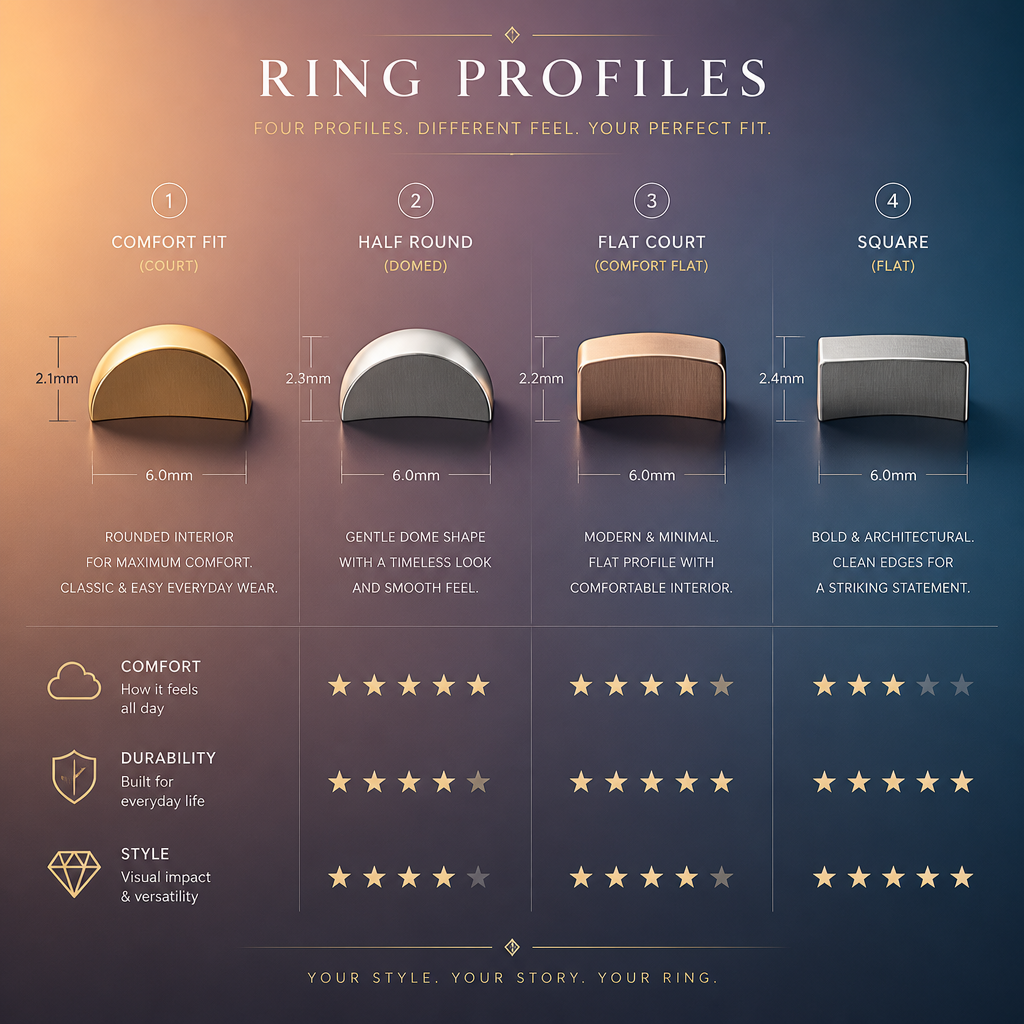
Band width is measured in millimeters and typically ranges from about 1.5mm on the delicate end to 5mm or more for statement bands. Thinner bands make the center stone appear larger by contrast and suit smaller hands. Wider bands balance larger stones and read as bolder and more geometric on the hand.
A common mistake is choosing a very thin band with a heavy center stone. The structural mismatch means the ring will tilt and rotate on the finger constantly, because the weight of the stone is not balanced by the band. If you are going above 2 carats in center stone size, the band needs enough width and metal depth to hold it securely in place over years of wear.
The profile, meaning the cross-sectional shape of the band, matters equally. A comfort-fit profile rounds the interior edge of the band so it slides on and off more easily and rests more gently against the inner finger. A standard fit has a flat interior. Most people who wear rings daily prefer comfort-fit once they try it, and it makes almost no visible difference from the outside.
Pro tip: Ask specifically for a comfort-fit profile if you are ordering online and cannot try the ring in person. It is a small request that makes a significant difference over years of daily wear.
Matching Your Band to a Future Wedding Band
This is the most commonly skipped planning step, and it causes real frustration later. Some engagement ring band styles sit flat enough that almost any wedding band will nest beside them cleanly. Others, particularly split shank, bypass, and some halo settings, have irregular shapes that require a contoured or custom-fitted wedding band.
The safest approach is to think about the wedding band before finalizing the engagement ring. If your partner has a specific wedding band style in mind, share that information during the engagement ring selection process. At Livia Diamonds, the team handles both pieces and can design them to work together from the start, which eliminates the guesswork entirely.
Plain and knife-edge bands are the most universally compatible with a straight wedding band. Pave bands pair beautifully with a matching pave wedding band for a fully unified look. Split shank bands almost always require a custom contoured wedding band to sit flush, so factor that into the total budget.
Metal Choice and How It Changes Everything
The metal you choose affects the ring's tone, maintenance requirements, and how the center stone's color appears to the eye. This is not a purely aesthetic decision.
White gold and platinum reflect light in a cool, neutral tone that maximizes the colorless appearance of moissanite and near-colorless lab-created diamonds. They read as modern and clean. White gold requires occasional rhodium plating to maintain its finish. Platinum is denser and more durable but comes at a higher price point.
Rose gold flatters warmer skin tones and creates a romantic, vintage-influenced look. It pairs particularly well with morganite or champagne-colored stones, though it also works beautifully with moissanite. Yellow gold is the most historically traditional option and is experiencing a genuine resurgence. It requires the least maintenance of the three gold colors.
A common mistake is choosing a metal color based solely on personal preference without considering how it will interact with the stone. A near-colorless moissanite will look crisper and whiter in white gold or platinum than it will in yellow gold, where slight warmth can be introduced by reflection. If maximum brilliance and colorlessness matter, white gold or platinum is the technically correct choice. If your partner loves the warmth of yellow or rose gold, that preference should lead, but go in with both eyes open.
Band Style Comparison Table
The three most popular engagement ring band style families each serve a different buyer. Here is a direct comparison to help narrow down the decision.
Band Style |
Best For |
Key Tradeoff |
|---|---|---|
Solitaire (Plain or Knife-Edge) |
Partners who want timeless simplicity. Buyers with a high-quality center stone that deserves full attention. Active lifestyles with minimal maintenance tolerance. |
No additional sparkle from the band. The center stone must be strong enough to carry the entire ring on its own. |
Pave or Micro-Pave Band |
Partners who love continuous sparkle and brilliance all the way around the ring. Works especially well with moissanite for maximum light return. |
Requires more careful cleaning. Small accent stones can loosen over time and need occasional professional checking. |
Halo with Split Shank |
Buyers who want maximum visual presence and center stone size perception. Partners with slender fingers who want a dramatic, statement ring. |
Requires a contoured or custom wedding band. More complex structure means more maintenance touch points over time. |
Frequently Asked Questions
What engagement ring band style works best for small hands?
Thinner bands in the 1.5mm to 2mm range create a delicate look that suits smaller hands well. An oval or pear-shaped center stone on a thin solitaire or pave band also creates a lengthening visual effect on shorter fingers. Avoid very wide bands on small hands, since they can visually overwhelm the finger rather than complement it.
Is a pave band engagement ring hard to maintain?
It requires more attention than a plain band, but it is not difficult to maintain. A soft toothbrush with mild soapy water removes buildup from around the small stones effectively. Full professional cleaning once or twice a year is recommended to check that the tiny prongs holding the accent stones are still secure. Half pave is slightly easier to maintain than full pave because the underside of the band remains smooth.
Which is better for an active lifestyle, a solitaire or halo ring?
A solitaire is the more practical choice for an active lifestyle. Fewer stones mean fewer maintenance points, and a simple four-prong or six-prong solitaire is easier to clean and less likely to snag on fabric or equipment. If your partner works with their hands, does sports regularly, or simply does not want to think about ring care, a solitaire band in a bezel or low-profile prong setting is the most durable everyday option.
Can I add a pave band to a solitaire center stone later?
In most cases, yes. If the original ring was made with a plain or simple band, a jeweler can often replace the shank with a pave band while preserving the original setting and center stone. Livia Diamonds offers custom design services and consultations that can address exactly this kind of modification. The result looks seamless when done properly.
How do I choose between white gold and platinum for the band?
Both look nearly identical to the eye and complement moissanite and lab-created diamonds equally well in terms of color reflection. The meaningful differences are durability and maintenance. Platinum is denser and does not require rhodium replating the way white gold does, so it holds its finish longer with less upkeep. White gold is typically more affordable. For someone who wears their ring hard and wants low maintenance, platinum is worth the price difference. For someone who is careful with jewelry and works within a tighter budget, white gold is a completely sound choice.
How do I know if a split shank band will work with a future wedding band?
A straight wedding band will not sit flush against a split shank engagement ring. You will need a contoured or chevron-shaped wedding band that is designed to nest around the split. The safest approach is to shop for both pieces at the same time. If you are buying the engagement ring now and the wedding band later, bring the engagement ring to the wedding band consultation so the jeweler can measure and fit the contoured band precisely.
Which band style is your partner drawn to, and did any of these details shift how you are thinking about your choice? Share your experience or questions below.